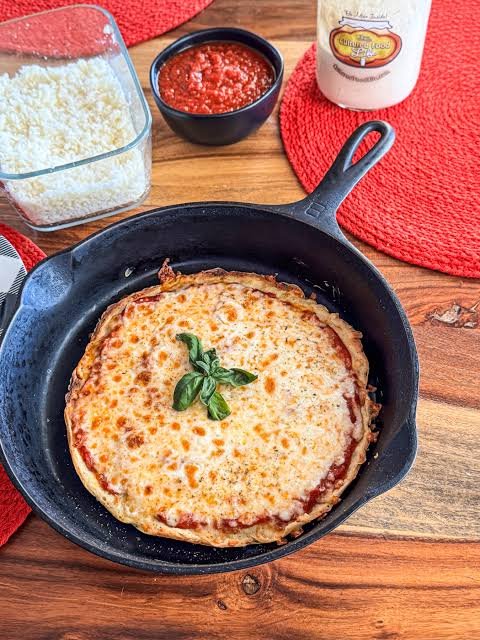
Sourdough discard skillet pizza is one of the most delightful and delicious dishes you can make right in your home kitchen. This recipe brings together the crisp bottom of a traditional pan pizza, the wonderful airy fluffiness of a homemade crust, and the rich tangy flavor that only natural sourdough starter can provide. Instead of throwing away the excess sourdough starter that accumulates every time you feed your main jar, this recipe transforms that liquid paste into a golden culinary masterpiece. Cooking the dough inside a hot cast iron skillet allows you to achieve a pizzeria level crust without needing a specialized outdoor pizza oven. The high heat conductivity of iron gives the dough an irresistible crunch while keeping the inside soft, chewy, and light. It is an approachable meal that turns basic flour, water, and simple toppings into something that tastes truly professional.
People fall completely in love with this specific pizza recipe because it strikes a perfect balance between comfort food and smart kitchen management. There is something deeply satisfying about turning kitchen waste into an amazing meal for your family and friends. Food lovers appreciate how the subtle sourness of the starter cuts through the richness of melted cheese and savory tomato sauce, making every bite feel complex and refined. Busy cooks love it because using discard means you do not have to wait hours for the dough to rise like standard bread recipes require. It is quick, highly customizable, and consistently delivers a mouthwatering texture that standard store bought frozen pizzas can never match. Once you try the crisp edge created by cheese sizzling against the side of the pan, you will never want to make pizza any other way.
This recipe is ideal for cozy weekend movie nights, casual dinner parties, or quick weeknight dinners when you want maximum flavor with minimal fuss. Making this dish creates a warm, inviting atmosphere as the irresistible smell of baking bread, garlic, and bubbly mozzarella fills every room in your home. From a wellness perspective, sourdough discard is much easier on the digestive system than plain refined flour dough because the natural wild yeast and beneficial bacteria have already broken down complex starches and gluten proteins. It offers a mindful way to enjoy your favorite comfort food without feeling heavy or uncomfortably full afterward. Whether you are aiming to reduce your kitchen waste, feed hungry kids a nutritious home cooked supper, or simply satisfy a sudden craving for hot melted cheese, this dish always fits the moment perfectly.
Starting your journey into pan baking with sourdough discard is surprisingly simple and requires no advanced baking equipment or technical skills. Even if you have never stretched or shaped pizza dough in your life, using a heavy skillet makes the entire process practically foolproof. You do not need to worry about transferring raw dough onto a scorching hot stone or fighting to keep a round shape. The skillet naturally guides your dough into a uniform shape while protecting the crust from burning too fast underneath. With a handful of pantry staples and a few minutes of active preparation, you can serve a rustic, beautiful meal that looks like it came directly from an Italian trattoria. It is a rewarding kitchen project that builds your baking confidence while filling your stomach with pure homemade goodness.
Ingredients You Will Need
To make one large pan pizza, gather the following carefully measured ingredients:
For the Dough Base One cup of sourdough discard at room temperature One cup of all purpose flour or unbleached bread flour Half a teaspoon of instant active dry yeast Half a teaspoon of fine sea salt Half a teaspoon of granulated white sugar Two tablespoons of lukewarm water Two tablespoons of extra virgin olive oil for coating the skillet
For the Sauce and Toppings Half a cup of thick tomato pizza sauce One and a half cups of shredded low moisture mozzarella cheese Half a cup of sliced fresh pepperoni or your favorite vegetable toppings One teaspoon of dried Italian seasoning or dried oregano Half a teaspoon of garlic powder Fresh basil leaves for garnish after baking
Step by Step Method
Preparing the Starter Base Begin by bringing your sourdough discard to room temperature so it mixes smoothly with the dry ingredients. Take a large mixing bowl and combine the sourdough discard, lukewarm water, sugar, and instant yeast. Stir the liquid mixture gently with a wooden spoon and let it rest for five minutes until tiny bubbles appear on the surface.
Mixing the Dough Add the flour and fine sea salt into the bowl with the bubbly mixture. Stir everything together until a rough dough starts to form and no dry flour remains at the bottom. If the dough feels overly sticky, add one extra tablespoon of flour. If it feels too dry, add a few drops of water until it comes together into a soft ball.
Resting the Dough Cover the mixing bowl with a clean kitchen towel or plastic wrap. Let the dough rest in a warm spot on your kitchen counter for about thirty to forty five minutes. This short resting period allows the gluten to relax, making the dough very easy to stretch into the skillet without snapping back.
Preparing Your Skillet Pour two tablespoons of extra virgin olive oil into a ten inch cast iron skillet. Use your fingers or a pastry brush to spread the oil evenly across the bottom and all along the inside sides of the pan. The oil is essential because it fries the bottom of the crust to golden perfection and prevents sticking.
Stretching the Dough Place your rested dough directly into the oiled skillet. Gently press and spread the dough toward the edges using the flat parts of your fingers. If the dough shrinks back, let it rest inside the pan for five minutes and then try spreading it again until it reaches the edges.
Initial Cook on the Stove Place your skillet on the stove top over medium heat for about three to five minutes. Watch the bottom of the dough carefully by gently lifting a edge with a spatula. As soon as you see the bottom turn light golden and small air bubbles form on top, remove the skillet from the stove heat. Preheating the pan on the stove ensures an extra crispy bottom layer.
Adding Your Toppings Spread your thick tomato sauce evenly over the top of the dough, leaving a small border around the edge for the crust. Sprinkle the garlic powder and Italian seasoning over the sauce. Spread the shredded mozzarella cheese across the entire surface, taking care to push some cheese all the way to the very edge where the dough meets the skillet wall. Lay your sliced pepperoni or vegetables over the cheese layer.
Baking to Golden Perfection Transfer the entire skillet into an oven preheated to four hundred and fifty degrees Fahrenheit. Bake for twelve to fifteen minutes until the cheese is completely melted, bubbly, and lightly browned in spots. The crust edges should look dark golden and crispy.
Cooling and Serving Carefully remove the hot skillet from the oven using thick oven mitts. Let the pizza rest inside the pan for three minutes so the melted cheese sets slightly. Slide a spatula under the crust and transfer the pizza onto a cutting board. Top with fresh basil, slice into triangles, and serve warm.
Why This Recipe Is Special
Reduces Kitchen Waste This recipe gives a practical second life to the sourdough starter you would otherwise throw down the drain during daily feedings. Reusing food scraps helps lower household waste and stretches your grocery budget further.
Gentle on Digestion Because sourdough discard undergoes a long natural fermentation process, much of the difficult gluten and complex sugars are broken down before baking. This makes the crust far easier on sensitive stomachs compared to rapid commercial bread dough.
Unbeatable Crunch and Texture Using a heavy cast iron pan cooks the dough from the bottom and top simultaneously. The bottom layer fries in olive oil while the top bakes in ambient oven heat, yielding an amazing combination of crunchy bottom and airy interior.
Fast Preparation Time Unlike traditional sourdough recipes that require twelve to twenty four hours of proofing, this discard pizza uses a tiny amount of yeast to give a fast boost. You get deep sourdough flavor in under an hour.
Budget Friendly Comfort The ingredients required are simple pantry items that cost very little money. You can feed a whole family a high quality, filling meal for a fraction of the cost of restaurant delivery.
Extra Tips for Better Taste
Create a Crispy Cheese Crown When adding your mozzarella cheese, intentionally push a small portion of it against the bare metal edges of the skillet. As the pizza bakes, this cheese melts down the side and fries into a dark, crispy cheese barrier that adds incredible savory flavor.
Precook Wet Vegetable Toppings If you enjoy adding vegetables like mushrooms, onions, or bell peppers, cook them briefly in a separate pan before putting them on your pizza. Removing excess moisture keeps your crust crisp and prevents the sauce from becoming watery.
Brush edges with Flavored Oil Just before placing your skillet into the oven, brush the exposed dough edges with a mixture of melted butter, minced fresh garlic, and grated parmesan cheese. This simple touch gives your crust a rich garlic bread taste.
Use High Moisture Cheese Wisely If you prefer fresh mozzarella balls over low moisture shredded cheese, pat the cheese dry with paper towels and shred it finely. Excess water from fresh cheese can soften the top layer of dough during baking.
Experiment with Herb Infusions Mix dried basil, rosemary, or chili flakes directly into your dry flour mixture before adding the liquid starter. Infusing herbs straight into the dough ensures every single bite of crust is packed with aroma and taste.
Final Thoughts
Sourdough discard skillet pizza is a warm, deeply satisfying meal that bridges the gap between smart, frugal cooking and indulgent flavor. It allows you to transform simple everyday ingredients into a memorable dish that brings family and friends together around the dinner table. Once you experience the golden crunch of a pan fried bottom combined with the light tangy chew of fermented dough, standard takeout will become a thing of the past. Gather your skillet, pull out your discard, and enjoy the delicious art of home pizza making tonight.
Nutrition Details
Below is the approximate nutritional breakdown for this recipe, assuming the entire pizza is divided into four equal servings.
Disclaimer
The health and nutritional information provided in this article is for educational purposes only and should not be taken as medical advice. Individual dietary needs vary greatly depending on age, activity level, and personal health conditions. Nutritional values are estimates based on standard ingredients and may change depending on the specific brands or topping variations you select. If you have severe gluten sensitivities, celiac disease, or specific dietary restrictions, please consult with a qualified health professional or registered dietitian before introducing sourdough products into your meal plan.